Introduction to Parking Enforcement

Parking lot surveillance is an important aspect of modern security technology. It helps ensure safety in parking lots and keeps traffic flowing smoothly. But what exactly is parking lot surveillance, and why is it so important?
Why is parking enforcement important?
Parking enforcement plays a crucial role in various areas.
Security
Security is a top priority in parking lot surveillance. It helps prevent theft and break-ins and contributes to making people feel safe in parking lots.
Vandalism Prevention
Surveillance can also help prevent vandalism. Cameras and other surveillance systems can deter potential vandals and help keep vehicles and other property safe.
Traffic Flow
Parking lot monitoring can also help improve traffic flow in parking lots. By monitoring parking lots, traffic problems can be quickly identified and resolved.
Types of Parking Lot Monitoring
There are various types of parking lot monitoring, each with its own advantages and challenges.
CCTV Surveillance
CCTV surveillance is one of the most common forms of parking lot surveillance. It allows for the monitoring of large areas and provides an effective way to document and prevent incidents.
Digital Parking Monitoring
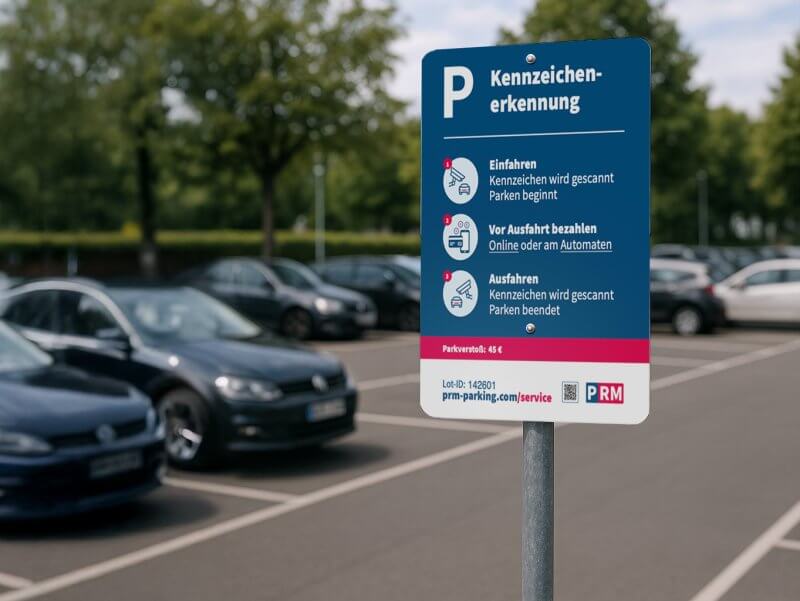
Digital parking monitoring is a newer form of monitoring that uses technologies such as license plate recognition, AI, and machine learning to make monitoring more effective and efficient.
Benefits of Digital Parking Lot Monitoring
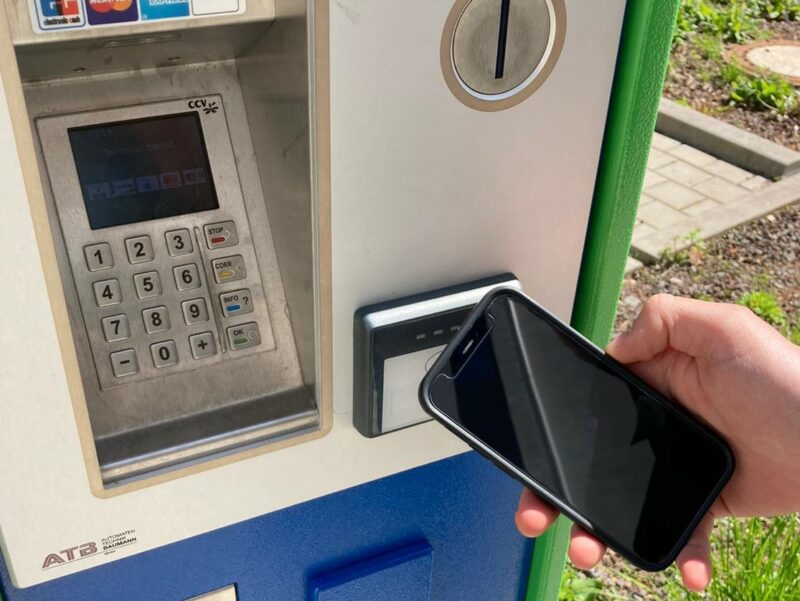
Digital parking monitoring offers a number of advantages. For example, it can provide accurate data on parking lot usage and make it possible to quickly identify and resolve problems. In addition, there is no need for staff or physical parking tickets. Parking discs or similar parking permits can no longer be forgotten.
Challenges in Parking Lot Monitoring
Despite its many advantages, parking lot surveillance also presents challenges. These include privacy concerns, the costs of installing and maintaining surveillance systems, and the need to constantly update and improve the systems.
The Future of Parking Enforcement
The future of parking enforcement looks promising. As technology continues to advance, we will likely see even more effective and efficient enforcement systems.
Conclusion
Parking lot surveillance is an important aspect of modern security technology. It offers a range of benefits, from improving security to enhancing traffic flow. As technology continues to advance, we can expect even better surveillance systems in the future.
Frequently Asked Questions (FAQs)
What is parking lot surveillance?
Parking lot surveillance is a system designed to monitor parking lots and ensure security.
Why is parking enforcement important?
Parking lot monitoring is important for ensuring safety, preventing vandalism, and improving traffic flow.
What are the benefits of digital parking monitoring?
Digital parking lot monitoring provides accurate data on parking lot usage and makes it possible to quickly identify and resolve problems.
What are the challenges of parking lot monitoring?
Challenges in parking lot surveillance include privacy concerns, the costs of installing and maintaining surveillance systems, and the need to constantly update and improve the systems.
What parking lot monitoring technologies are available?
Modern parking lot monitoring relies on various digital technologies that enable efficient and reliable monitoring. Camera-based systems equipped with artificial intelligence form the core of these solutions and can monitor several hundred parking spaces simultaneously, detecting vehicles in real time and performing automatic number plate recognition (ANPR). As an alternative or supplement, ground sensors are used to detect parking space occupancy with high precision; these sensors are weatherproof and operate at temperatures ranging from -25°C to +65°C. The systems work in conjunction with IoT devices and edge computing, enabling seamless integration into existing parking guidance systems. Modern solutions often do away with physical barriers and instead rely on fully digital monitoring with AI-powered analysis, achieving an accuracy of up to 99%. The collected data is analyzed in real time and can be used for various purposes, from optimizing parking to preventing illegal parking.
How can parking enforcement help prevent unauthorized parking?
Parking lot monitoring offers various effective ways to prevent unauthorized parking. Modern systems such as electric parking barriers controlled by handheld transmitters, video surveillance with AI-powered license plate recognition, and sensor technology enable reliable monitoring of parking spaces. In addition, physical barriers such as bollards or chains can be installed to grant access only to authorized individuals. In the event of violations, illegally parked vehicles may be towed, which is legally permitted under the property owner’s right of self-help. Clear signage in parking areas and clear warnings of the consequences of misuse are important preventive measures.
What legal requirements apply to parking enforcement?
Parking enforcement by private companies is subject to a clear legal framework:
Contractual Basis
Private parking enforcement is based on the principle of a contractual agreement—by parking a vehicle, a contract is formed between the driver and the parking lot operator. The parking rules and any applicable penalties must be clearly indicated by clearly visible signage.
Data Protection Requirements
The following requirements must be met for video surveillance and automated license plate recognition:
- Clear signs indicating surveillance before entering the premises
- Collection of only the necessary data (identifiers)
- Granting a grace period for leaving without penalty
- Deletion of the data after leaving the parking lot or, at the latest, at the end of the day
Liability and Enforcement
The vehicle owner is not automatically liable for parking violations. Only the actual driver, as the contracting party, is liable for payment. However, parking lot operators may:
- Issue traffic tickets and have vehicles towed
- Require the owner to sign a cease-and-desist letter
- Request that the vehicle owner cooperate with the investigation to identify the driver
Can a parking enforcement system be integrated with an existing parking guidance system?
Parking lot monitoring systems can be easily combined with existing parking guidance systems, as modern systems feature open interfaces and API connections that enable seamless integration. The real-time data collected on parking lot occupancy can be directly integrated into existing applications and management systems, allowing for more efficient monitoring and control of parking areas. In most cases, existing surveillance cameras can also be reused and connected to new control units. This integration unlocks additional features such as dynamic pricing, license plate recognition, and detailed occupancy analyses, which make the parking facility even more cost-effective.
How are violations such as illegal parking documented in a digital parking enforcement system?
With digital parking enforcement, parking violations are documented fully automatically by a system that captures license plate numbers. Special LPR (License Plate Recognition) cameras capture a vehicle’s license plate number as it enters and exits the lot and store this information, along with the date and time, in a database. The cameras photograph only the license plate, not the entire vehicle or its occupants. Integrated software analyzes the data and cross-checks it against authorizations such as reservations, rental agreements, or app bookings. If a violation is detected, the vehicle owner’s information is obtained from the relevant registration authority. Unlike a traditional parking ticket left on the windshield, the vehicle owner receives the bill by mail a few days later.