How to Set Up a Digital Parking Management System

When designing a digital parking system architecture, it is therefore essential to address specific challenges and opportunities.
State of Affairs
The first and most important step in developing a digital parking system architecture is to conduct an assessment of the current situation and, based on that, develop a concept. The first step, therefore, is to analyze the current situation:
- How has parking been managed so far?
- What types of parking permits are available?
- How are rates, reward programs, parking times, and signage organized?
- What are the current costs of parking management?
Next, all issues that arise from the current situation are documented. Particular attention is paid to the flow of daily organizational and operational processes that are caused by or influenced by the current parking situation. Some problems are clearly recognizable, such as traffic backed up at barrier gates during rush hour. However, there are usually also hidden problems that need to be identified. For example, are there employees who cannot take advantage of a flex-time system offered by their employer as intended because traffic and parking conditions do not allow it?
Concept
Following the assessment, a customized mobility concept with specific solutions will be developed. Digital infrastructures can be expanded and optimized as needed. For this reason, it makes sense to compare several solution models. Which measures address the problem directly? Which measures also provide additional benefits?
Installation
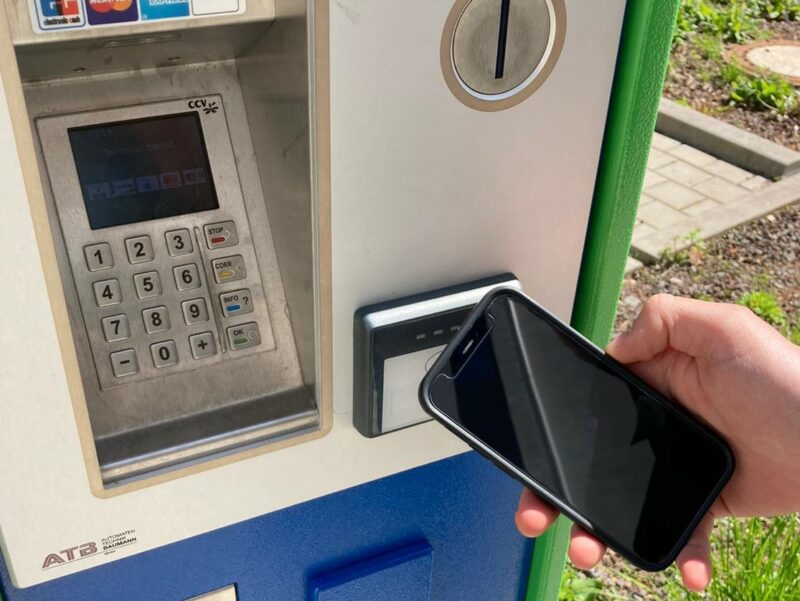
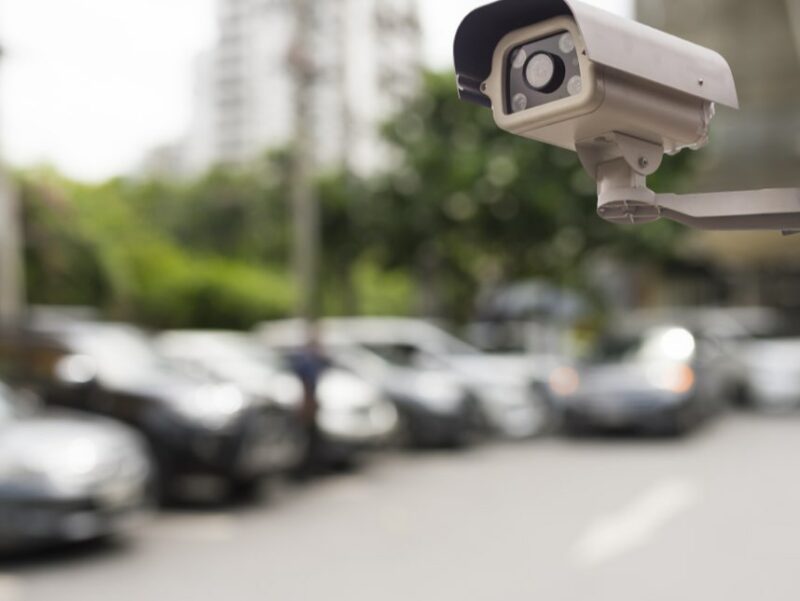
The next step is to set up and commission the customized technology. This involves the physical installation of equipment such as camera systems for license plate recognition and digital parking meters. It also includes setting up the relevant software for drivers (e.g., the Parker app or digital user interfaces for booking long-term parking spaces) and configuring the necessary interfaces.
Operation
By collecting and analyzing parking patterns and behavioral trends, it is possible to continuously optimize and improve the technology to ensure sustainable operations. The digitization of analog processes leads to cost efficiency and time savings. For example, thanks to automated and digital processes, the administrative burden is significantly lower compared to analog parking management.