Vehicle Damage in a Parking Garage: A Step-by-Step Guide to Filing a Claim

Imagine returning to your car after a long day of shopping and discovering a scratch on the bodywork. Situations like this in parking garages are frustrating, but they happen more often than you might think. It’s important to know what steps to take to report the damage and handle the situation properly.
Vehicle damage in a parking garage may seem complicated at first glance, but with clear rules and a structured approach, the situation can be handled effectively. Whether you are the victim or the party responsible, you have rights and obligations. In addition, parking garage operators play a key role in ensuring safety and order in the parking areas.
Below, we’ll walk you through, step by step, how to handle parking damage in order to settle the claim and ensure you’re on the right side of the law.
Legal Framework for Parking Damage
In parking garages, you not only have to contend with tight parking spaces, but also the risk of minor mishaps when pulling in or out. Unfortunately, damage to parked vehicles is not uncommon. That’s why it’s all the more important to be familiar with the legal regulations that apply in such cases.
Damage to a vehicle isn’t just a cosmetic issue; it often leads to legal proceedings as well. The situation becomes particularly serious in cases of hit-and-run—the person responsible is committing a criminal offense if they leave the scene of the accident without permission. Therefore, it’s crucial to be vigilant in parking garages.
There are measures that can reduce the risk of such damage. Following traffic and parking garage rules, properly observing floor markings, and utilizing modern safety measures such as cameras and designated parking spaces all help prevent such incidents. It is important for operators to implement the right safety measures to ensure the safety of all vehicles.
Rights and Obligations of Injured Parties
If your car was damaged in a parking garage, it’s important to take the right steps. Your first instinct should be to stay calm and document the damage. Take photos and write down all the important details, such as the time and location of the incident.
If the person responsible is at the scene, you should exchange contact information and insurance details. This is essential for filing a claim with your insurance company. In cases where the person responsible is unknown, you can file a report with the police for a hit-and-run.
It is also advisable to contact the police in the event of significant damage or unclear circumstances. This ensures that the incident is properly documented from a legal standpoint and helps you assert your claims.
Your obligations as the injured party:
- Document the damage
- If available, note the contact information of the person responsible
- Notify the police in the event of serious damage or a hit-and-run
Your Rights as a Victim:
- Right to have the claim settled by the at-fault party's insurance company
- Option to File a Report in the Event of a Hit-and-Run
To resolve the situation as smoothly as possible, you should fulfill your obligations diligently and take the necessary steps.
Rights and Obligations of Polluters
If you are the one who caused damage in the parking garage, it is crucial to act responsibly. It is important not to simply drive away after the incident. Instead, you should remain at the scene of the accident and wait for the vehicle owner to return.
If the vehicle owner does not return within 15 to 30 minutes, you must notify the police to properly report the incident and prevent a hit-and-run. You should leave your contact information and insurance details for the vehicle owner in case they are not present.
Even in the case of minor damage, such as scratches, it’s not enough to just ignore it. Leave your contact information so that the person who suffered the damage can get in touch with you.
Obligations of the Party Responsible:
- Stay at the scene of the accident and wait
- If the owner is not present, notify the police
- Provide your contact information to prevent a hit-and-run
By following these rules, you can ensure that a minor mishap doesn't turn into a serious legal issue.
Summary
| Requirement | Promotion |
| Waiting at the Scene of an Accident | 15–30 minutes or until the owner or the police arrive |
| Contact Us | Immediate stop, search for the vehicle owner |
| Claim Report | If the owner cannot be located: Report it to the police |
| Exchange of Information | Exchange personal and insurance information (for minor claims) |
By staying calm and following the rules, an unfortunate moment can become a test of character. Don't let it rattle you—in just a few steps, you can resolve the issue.
Liability for Damage Caused by the Insured
When you park your vehicle in a parking garage, you bear a certain degree of responsibility for your car and for the surrounding area. However, even with the utmost care, your vehicle may still sustain a scratch or a dent—whether through your own fault or due to unfortunate circumstances. In such situations, the question arises: When are you liable for the resulting damage?
If you caused the damage yourself—for example, while pulling into or out of a parking space—your auto liability insurance will generally cover it. This insurance covers damage to the other party’s vehicle, while comprehensive insurance may cover damage to your own vehicle, depending on the terms of your policy and your deductible. It is important that you report the incident immediately and provide your contact information to avoid being accused of a hit-and-run and to prevent any legal consequences.
When are you liable?
| Damage Caused | Need for Action | Possible Consequences |
| On Your Own Vehicle | No Liability on the Part of the Parking Garage Operator | |
| On the other vehicle | Report immediately to parking lot staff and the police | Avoiding Legal Consequences |
| Failure to Report Damages | The following are considered hit-and-run offenses | Heavy fines are possible |
| Damage Caused by Parking Garage Staff | Operator Liability Possible | In cases of gross negligence or willful misconduct |
In the event of damage you cause yourself, you are liable under the law, to yourself, and to other parking garage users. Traffic safety in the parking garage involves not only preventing damage through the garage’s design, but also the awareness of each individual.
Act responsibly:
- Take immediate action when damage is discovered
- Fill out the claim form
- Respect the parking garage rules
- Act with openness and transparency
Only by working together can we strengthen preventive measures and avoid more serious damage. After all, we all want to return to an undamaged car at the end of the day and enjoy a pleasant evening.
Responsibilities of the Parking Garage Operator
A well-managed parking garage not only provides a parking space but also helps ensure the safety of parked vehicles. But what happens if damage occurs despite all precautions? In many cases, the responsibility lies with the parking garage operator, especially when structural defects are a factor. A ruling by the Trier Regional Court (Case No. 1 S 49/01) makes it clear: If damage results from structural deficiencies, such as a ramp that is too low, the operator is liable. Similarly, when using duplex garages, proper instruction by staff is crucial. If the operator fails to provide this, they can be held liable for damages (Munich Local Court, Case No. 425 C 12888/17).
However, the situation is different in cases of vandalism or theft that occur without a surveillance agreement. As the Nuremberg Higher Regional Court (Case No. 4 U 3823/94) held, the parking garage operator is generally not liable in such cases.
In summary:
- Damages Caused by Structural Defects: Operator Liability (Regional Court of Trier)
- Orientation at Duplex Garages: Liability for Negligence (Munich Regional Court)
- Vandalism and Theft: No Liability Without a Surveillance Agreement (Nuremberg Higher Regional Court)
A parking garage is therefore more than just a place to park cars. It is also a place where operators must assume responsibility for structural safety and proper use, while liability for unforeseeable damage is clearly defined.
Prevention Through Parking Garage Design
The layout of a parking garage plays a crucial role in preventing damage and accidents. A well-thought-out design helps ensure that all users can move about safely and in an orderly manner. One important aspect is reducing speed—it not only enhances safety but also promotes respectful interaction among drivers in the parking garage. In addition, clear lane markings and sight lines are essential for ensuring smooth navigation.
The following design elements help prevent damage:
- Clear Lines of Sight: Enable early detection of obstacles and other vehicles.
- Good Lighting: Prevents accidents in dark areas and ensures safety.
- Clear Markings: Guide traffic and regulate traffic flow.
- Clear Rules of Right-of-Way: Ensure structured and safe interaction.
This type of planning ensures that drivers can park their vehicles safely and drive home worry-free after work.
Security Systems in the Parking Garage
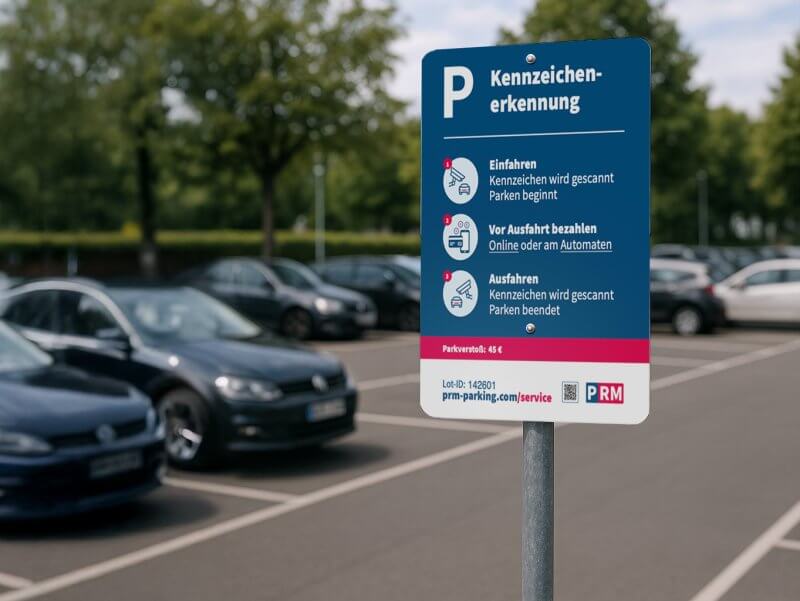
For many drivers, safety is the top priority when it comes to parking in large parking garages. Operators, such as those at Frankfurt Airport, therefore rely on modern security systems to ensure the protection of vehicles. Alarm systems, video surveillance, and well-designed traffic flow management are just a few of the measures used.
The safety philosophy adheres to clear building code requirements in order to minimize sources of danger and prevent damage. The duty to ensure public safety is fulfilled through monitoring systems and targeted preventive measures, even though continuous monitoring is not always possible.
Of course, legal disputes can arise in the event of damage, but by using modern technologies and implementing a clear security strategy, many problems can be prevented before they occur. This makes the parking garage a safe place where vehicles are protected and drivers can go about their daily lives with peace of mind.
Steps for Reporting a Claim
If you return to your car in the parking garage after a relaxing evening and suddenly notice a scratch or some damage, the initial shock can be overwhelming. But in moments like these, it helps to take a systematic approach to resolve the issue as quickly as possible. A clear plan of action makes the process easier for you and ensures that you report the damage properly.
First, stay calm and document the damage thoroughly. Take photos of the damage and the surrounding area to capture all the important details. This information will be crucial for the insurance company later on. Next, report the incident to the at-fault party’s insurance company, if known. This is the fastest way to ensure a smooth claims settlement.
If the damage is not noticed until later or if the person responsible cannot be identified, you should consider contacting the police. Filing a report against an unknown person protects your claims and helps ensure that the incident is properly documented. Support your report with evidence such as witness statements or an expert opinion to strengthen your case and expedite the process.
Measures such as surveillance cameras, clear floor markings, and a well-organized parking garage layout can prevent much damage before it occurs. Prevention and cautious behavior in the parking garage contribute significantly to everyone’s safety.
Documentation of the Damage
It happens faster than you think: a scratch or dent on your parked car in a parking garage—annoying, but no reason to panic. In situations like this, it’s important to take the right steps and carefully document the damage. These steps will help you protect your rights and report the damage properly.
- Documentation is crucial:
- Take photos: Document the damage and the surrounding area. Every photo tells a story and can be crucial later on.
- Report: Write down the details, even if you think the damage was your own fault. Think of every detail as a brushstroke in a larger picture.
- Contacting the Authority:
- Call the police: Have an official report filed, which will serve as the basis for the trial.
- File a Report:
- Against Unknown Parties: Protect yourself and safeguard your rights.
- Witnesses and Expert Opinions:
- Seek Confirmation: Others can corroborate your story and contribute to the process of establishing the truth.
Witnesses can also corroborate the sequence of events. If there are people nearby who witnessed the incident, make a note of their contact information. An expert report can also help document the damage in detail and determine who is responsible.
Determining Liability for Third-Party Damages
Determining liability for parking lot damage is often the first step in settling a claim. It is important to clearly distinguish between different situations in order to identify those responsible and take the necessary steps.
If the accident involves two moving vehicles, the insurance companies of the parties involved typically determine who is at fault and how the costs will be divided. However, if the damage results from a breach of the duty to ensure traffic safety—for example, due to structural defects in the parking garage—the operator may be held liable.
If the at-fault party cannot be identified, the injured party’s auto insurance will often cover the damages. This option ensures that the injured party is not left to bear the costs.
The at-fault party's liability insurance covers the damages if that party is responsible for the accident. These clear rules help ensure traffic safety in the parking garage and enable a fair settlement of claims.
Determination of Liability:
- Parking lot accident involving moving vehicles:
- The parties' insurance companies are determining who is at fault.
- Allocation of costs based on established liability.
- Breach of the Duty to Ensure Public Safety by Parking Garage Operators:
- Liability for damages resulting from a failure to prevent vandalism.
- Obligation to comply with all safety standards.
- Liability for Breach of the Duty of Care:
- Under Section 823 of the German Civil Code (BGB), the person who caused the damage is liable for it.
- An insurance claim without a clear determination of liability:
- In many cases, the costs are covered by the injured party's insurance.
- Insurance Coverage:
- Liability insurance covers proven parking damage to another person's vehicle.
This sense of responsibility not only helps ensure that traffic safety standards are met in the parking garage, but it also fosters a culture of respect and mindfulness. Ultimately, this creates a peaceful haven for your parked car—where you can expect to find it exactly as you left it after a lovely evening or at the end of the workday.
Claims Settlement Options
If your car was damaged in a parking garage, there are several ways to settle the claim. Taking the right steps can make all the difference in resolving the situation as quickly and smoothly as possible.
- Direct Contact: In the case of minor damage such as dents and scratches, there’s no need to panic. Simply exchanging contact and insurance information with the person responsible is often enough to settle the claim.
- Determination of Liability: As a general rule, the party at fault is liable. Their auto insurance will handle the claim settlement. This underscores the importance of traffic safety in the parking garage.
- Your Own Insurance: If the person responsible cannot be identified, protect your claims by keeping detailed records and gathering evidence. This will help you avoid being left to cover the costs yourself.
- Involvement of the Police: In the event of a hit-and-run, it is advisable to file a police report. This establishes a legal basis for filing a claim with your insurance company.
- Claim Payment Decision: Decide carefully whether to file a claim. Keep in mind that the payout amount may be lower than the actual repair costs.
With these options for settling claims, you’ll be in the best position to look to the future with confidence and peace of mind after a claim involving a parking garage.
Dealing with Vandalism and Theft
Hidden within the labyrinth of a parking garage’s concrete walls sometimes lies an unexpected challenge: vandalism and theft. Yet even these trials offer an opportunity for renewal and growth.
Dealing with Vandalism and Theft:
Unpleasant incidents such as vandalism or theft can occur in parking garages. But even in these situations, it’s important to keep a cool head and take the right steps. While vandalism and theft are frustrating, there are ways to deal with these challenges.
If your vehicle is the victim of vandalism—such as scratches or other damage—the parking garage operator is liable only if it can be proven that they failed to fulfill their duty to ensure public safety. In most cases, however, your own comprehensive auto insurance will cover this, especially if the parking garage has a surveillance system capable of documenting such incidents. If items are stolen from your car, your insurance may also cover the resulting damage, provided the incident is reported correctly.
It is important to react quickly, document the incident, and notify the police if necessary. Prevention is also a key issue: A well-patrolled parking garage, clear rules, and your own caution when parking your vehicle all help prevent such incidents.
Liability & Insurance Coverage:
| Situation | Adhesive | Insurance Coverage |
| Vandalism | Personal Comprehensive Auto Insurance | When a parking garage is monitored |
| Theft | Personal Comprehensive Auto Insurance | Even without a duty to provide security |
| Damage Caused by Others | Liability of the Party at Fault | – |
Don’t give up if you’re faced with scratches on your car or more serious damage. The solution often lies in choosing the right insurance and having a deep understanding of the rules of the road. See every incident as an opportunity to gain wisdom, to be more mindful when using your vehicle, and to better protect your trusty companion. Safety and caution in parking garages aren’t a matter of chance—they’re the result of conscious prevention and thoughtful parking garage rules.
The Role of Insurance Companies in Parking Damage Claims
If your vehicle is damaged in a parking garage, insurance plays a crucial role. It helps you investigate the incident and settle the claim.
If your vehicle is damaged by another car, the at-fault driver’s liability insurance will generally cover the repair costs. It’s important to document the incident and exchange contact information with the parties involved to ensure the claim is settled quickly and smoothly. The insurance company will determine who is at fault and ensure that the damage is covered.
In some cases, especially when the at-fault party remains unknown, the injured party’s insurance will cover the costs. Your comprehensive insurance will then cover the repair costs, provided the incident was reported in a timely manner and properly documented. Important: Report the damage to your insurance company within one week to receive the best possible assistance.
In the event of a hit-and-run, it is essential to contact the police to officially report the incident. This report is crucial so that your insurance company can settle the claim and you are not left to cover the costs yourself.
Rely on the protection your insurance provides, and rest assured that you're well covered in the event of a claim.
Tips for Avoiding Damage in a Parking Garage:
- Compliance with the StVO: Just as on public roads, the same rules apply here. Respectful interaction is key.
- The "Keep Your Distance" Rule: When parking your vehicle, make sure to keep a sufficient distance from other cars. This will help you avoid unwanted “souvenirs” in the form of scratches or dents on your parked car.
- Safety Tips: Do not leave any valuables in plain sight in your car. Protect your valuables, because the parking garage’s guardians—the parking garage operators—cannot be everywhere.
- Stay Connected: In the unlikely event of an accident, stop and take a moment. Wait a reasonable amount of time to demonstrate your integrity and avoid legal complications.
By following this advice, we can work together to foster a culture of mindfulness and safety in parking garages. Your vehicle will remain protected, and you can go about your other tasks with peace of mind—knowing that your car is waiting safely for you.
FAQs
Vehicle damage in parking garages often raises questions. Here you’ll find answers to the most important questions regarding reporting damage, identifying the person responsible, and the role of insurance.
- What should I do if I discover damage to my vehicle in a parking garage?
Stay calm, document the damage with photos, and gather all relevant information. Report the incident to your insurance company as soon as possible and contact the police if the person responsible is unknown. - Who is liable for damage caused by vandalism or theft in a parking garage?
Your comprehensive auto insurance generally covers damage caused by vandalism or theft. The parking garage operator is liable only if they have failed to meet their duty to ensure public safety, e.g., by failing to implement adequate security measures. - How can I file a claim if my vehicle is damaged in a parking garage?
Report the damage to your insurance company immediately, gather evidence such as photos or witness statements, and contact the police if the person responsible remains unknown. - What happens if the person responsible flees the scene?
In this case, you should definitely contact the police. Filing a police report is necessary so that your insurance can cover the damage.