License Plate Recognition: An Introduction to Automatic License Plate Recognition
License plate recognition, also known as License Plate Recognition (LPR) or Automatic Number Plate Recognition (ANPR), is an advanced technology used for various purposes such as access control, traffic monitoring, tolling and measuring driving time. In this article, we will take a closer look at this technology, how it works and what benefits it offers.
What is license plate recognition?
License plate recognition is a technology that makes it possible to automatically recognize vehicle license plates. It uses cameras and special software that is able to recognize and process the letter and number combinations on the license plates. The technology is able to detect both stationary and moving vehicles and can also be used in different light and weather conditions.
How does license plate recognition work?
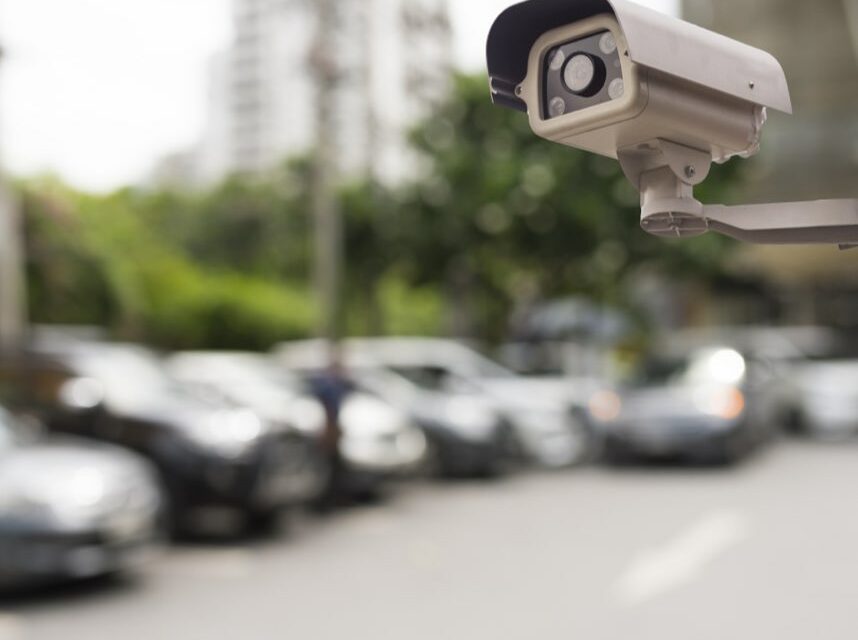
License plate recognition works with the help of cameras installed at strategic points such as toll booths, border crossings or parking garages. The cameras capture the license plates of passing vehicles and send the image data to a computer on which the special license plate recognition software is installed. This software analyzes the image data and identifies the letter and number combinations on the license plates. This information is then compared with a database to identify the vehicle and its owner.
Advantages of license plate recognition
License plate recognition offers numerous advantages, including:
Improved security and access control
License plate recognition enables effective access control by ensuring that only authorized vehicles and people have access to a specific area. It can also help prevent criminal activity such as theft or unauthorized entry into restricted areas.
Effective traffic monitoring
License plate recognition can also be used for traffic monitoring by measuring the speed of vehicles and detecting violations of traffic regulations such as running red lights or speeding. This can improve road safety and prevent accidents.
Integration with existing systems
License plate recognition can be easily integrated into existing systems. Only a camera, a compute unit and a network cable are required to use the recognition software. This simplifies implementation in existing systems and there are no additional costs for purchasing new hardware.
Areas of application
License plate recognition is used in many different areas. The most common areas of application include
Parking lot management
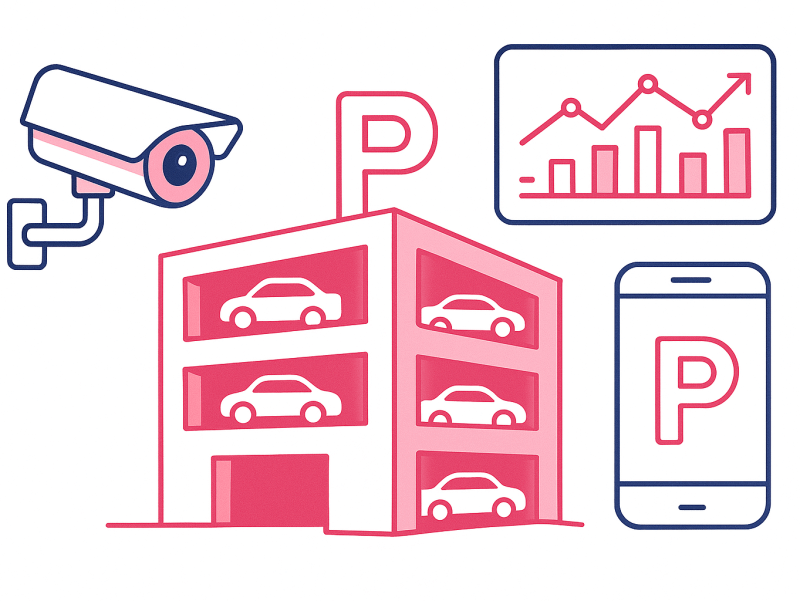
License plate recognition is often used in parking lots and parking lots to facilitate parking and optimize management. Parking can be automated by recording the license plates of vehicles. Drivers can enter and exit conveniently without having to take a ticket.
Border control
License plate recognition is also used at border controls to monitor traffic and ensure that only authorized vehicles pass through. The technology can also help to prevent the smuggling of goods and illegal immigrants.
Road safety
License plate recognition can help to improve road safety by detecting traffic violations and imposing the corresponding penalties. This can prevent accidents and increase safety on the roads.
Toll collection
License plate recognition is often used at toll booths to monitor traffic and ensure that all vehicles are paying tolls correctly. This can increase revenue and prevent fraud.
Conclusion
License plate recognition is a powerful technology that can be used for various purposes. It enables effective access control, improves traffic safety and can be used for toll collection and parking lot management. The technology can be easily integrated into existing systems and offers numerous advantages.
Frequently asked questions
-
What is license plate recognition?
License plate recognition is an advanced technology that makes it possible to automatically recognize vehicle license plates. It uses cameras and special software to identify and process the letter and number combinations on the license plates.
-
How does license plate recognition work?
License plate recognition works with the help of cameras installed at strategic points such as toll booths, border crossings or parking garages. The cameras capture the license plates of passing vehicles and send the image data to a computer on which the special license plate recognition software is installed. This software analyzes the image data and identifies the letter and number combinations on the license plates.
-
Where is license plate recognition used?
License plate recognition is used in many different areas, including access control, traffic monitoring, toll collection and parking management. It is also used at border controls to monitor traffic and ensure that only authorized vehicles pass through.
-
What are the advantages of license plate recognition?
License plate recognition offers numerous benefits, including improved security and access control, effective traffic monitoring, automated toll collection and optimized parking management.
-
How can license plate recognition be integrated into existing systems?
License plate recognition can be easily integrated into existing systems. Only a camera, a compute unit and a network cable are required to use the recognition software. This simplifies implementation in existing systems and there are no additional costs for purchasing new hardware.