Contactless Payment Systems in Parking Management: Improving Efficiency and User Satisfaction
Parking management has undergone rapid changes in recent years. Contactless payment systems, in particular, play a central role in this development. Not only have they significantly simplified users’ daily lives, but they also offer numerous advantages to parking lot operators. Advancing digitalization makes it possible to manage parking spaces more efficiently, reduce operating costs, and at the same time enhance convenience for users.
This article examines the benefits of contactless payment systems and highlights how parking operators can use them to both increase user satisfaction and optimize the management of their parking facilities. The focus is on the modernization of parking systems, the integration of new technologies, and the long-term benefits for both operators and users.
The Development of Cashless Parking
The way we pay for parking has changed dramatically in recent years. What used to involve the tedious task of fumbling with coins at a parking meter is now a quick, digital process. The evolution of cashless payment systems has revolutionized parking management and created numerous benefits for both operators and users.
From Coin-Operated Machines to Digital Solutions
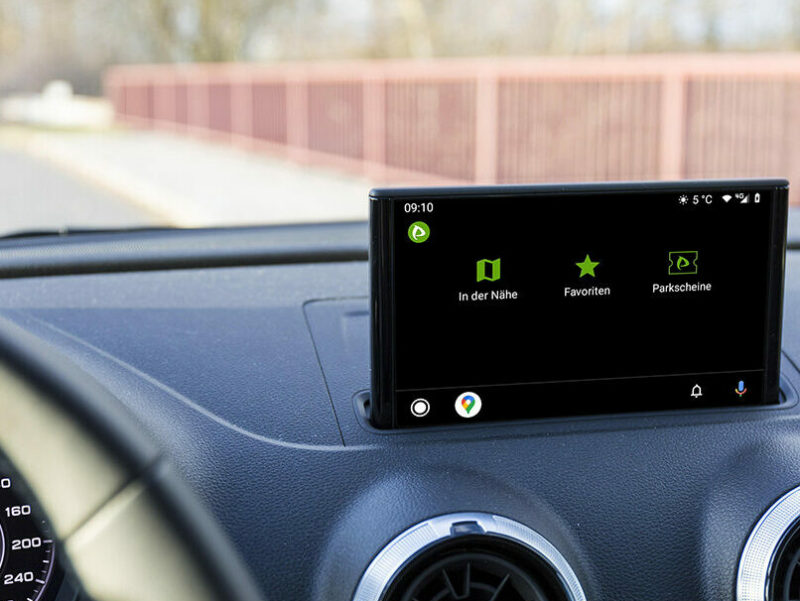
Parking management has evolved steadily over the past few decades. What began with simple, coin-operated machines has now developed into a fully digital and often contactless system. Parking spaces can now be reserved, paid for, and monitored using mobile apps. This development aims to streamline the entire parking process for both users and operators. Traditional parking meters are increasingly being replaced by modern, connected solutions that provide real-time data and help drivers find available parking spaces more quickly.
For parking operators, this means less manual labor, lower maintenance costs, and significantly greater efficiency in managing parking areas. These systems have become indispensable, especially in high-traffic areas such as shopping centers and airports.
Additional Sources of Revenue Through Contactless Payments
An often-overlooked but significant advantage of contactless payment systems is their potential to generate additional revenue streams. By implementing digital payment systems, parking operators can not only collect parking fees more efficiently, but also offer additional services such as parking space reservations, discount programs, or the integration of charging stations for electric vehicles.
Dynamic pricing also creates additional sources of revenue. Prices can be adjusted flexibly depending on the time of day, occupancy rates, or special events. This flexibility not only increases profitability but also enables operators to optimize the utilization of their parking spaces and further improve the service they provide to their customers.
Benefits of Contactless Payment Systems for Users
Contactless payment systems offer users significantly greater convenience and flexibility. Parking fees can be paid with just a few clicks or a simple tap on a smartphone. But what specific benefits do these technologies offer customers?
Speed and Convenience
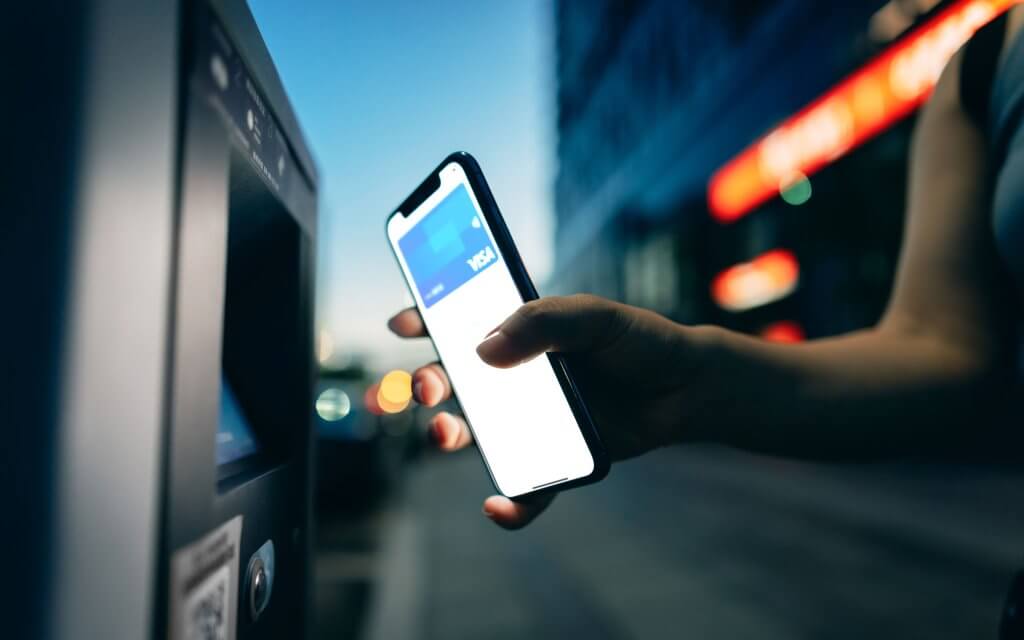
Contactless payment systems have the advantage of significantly speeding up the entire parking process for users. Instead of fumbling with coins or cash at parking meters, drivers can pay their parking fees in a matter of seconds using NFC-enabled cards or mobile apps such as Apple Pay and Google Pay. This not only saves valuable time but also reduces unnecessary wait times at parking meters.
Parking facility operators benefit from this trend, as a faster parking process increases overall customer satisfaction while also improving the efficiency of the parking area. This leads to higher utilization rates and a better overall experience for customers.
Enhanced Security
Another significant advantage of contactless systems is increased security. Users no longer need to carry cash, which minimizes the risk of theft or loss. For parking lot operators, this also eliminates the need to manage cash reserves and implement security measures for payment terminals. Cashless systems use modern encryption technologies to process all transactions securely and in compliance with the GDPR.
The automation and digitization of payment systems also minimize the likelihood of errors, which further improves the efficiency of the entire parking management system.
Improving the User Experience Through Flexibility
The flexibility offered by contactless payment systems significantly enhances the user experience. Users can choose from a variety of payment methods, such as debit or credit cards, smartphones, or even in-vehicle payment systems. This flexibility means that users can easily adjust or extend their parking time without having to return to the parking meter.
This flexibility also offers a clear advantage for operators: Satisfied users who benefit from the simple and fast processing of their parking transactions are more likely to return and use the parking lot again. The easy integration into existing apps also allows users to view their parking history, adjust payment options, and efficiently plan future parking sessions.
Automatic License Plate Recognition
In addition to contactless payment, automatic license plate recognition also contributes significantly to optimizing parking management. This technology makes parking processes even more efficient and offers a seamless and fast experience for both operators and users.
Technology and How It Works
Automatic Number Plate Recognition (ANPR) has permanently transformed parking management. This technology uses sophisticated cameras to capture vehicle license plates as vehicles enter and exit parking facilities. This makes the entire parking process more efficient and allows it to be carried out without physical tickets or payment stations. License plates are automatically captured upon entry, and parking fees can be billed via the contactless payment system. This saves time and significantly reduces administrative overhead.
Benefits for Parking Management
For parking facility operators, implementing ANPR technology offers many advantages. For one thing, it enables seamless 24/7 monitoring of parking areas, which is particularly beneficial in larger parking garages or high-traffic areas. For another, automation reduces the need for staff to manage parking spaces, which in turn lowers operating costs. Furthermore, the system helps prevent illegal parking and ensures that parking spaces are used optimally.
Challenges and Potential Solutions
Despite their many advantages, the implementation and operation of contactless payment systems and license plate recognition technologies present a number of challenges. Data protection, technical glitches, and user acceptance must be taken into account—but there are already promising solutions for overcoming these problems.
Privacy and Security
The introduction of contactless payment systems and automatic license plate recognition also brings with it increased data protection requirements. Parking operators must ensure that the data collected is used exclusively to process the parking transaction and is not stored longer than necessary. GDPR-compliant solutions are essential here. Transparent communication and clearly visible notices regarding the technologies used are crucial for gaining users’ trust.
Technical Malfunctions and Reliability
The ongoing digital transformation carries the risk of technical malfunctions. Operators must ensure that their systems are fail-safe to guarantee the smooth processing of parking transactions. Regular maintenance, the implementation of backup systems, and collaboration with experienced service providers are crucial for minimizing downtime and maintaining smooth operations.
Implementation of Contactless Payment Systems
The introduction of contactless payment systems requires careful planning and integration. From selecting the right technologies to training staff, there are several steps that parking facility operators must take to ensure a smooth implementation.
Technical Requirements
To successfully implement contactless payment systems, parking operators need specialized hardware such as NFC-enabled terminals and RFID readers. This hardware enables users to make payments quickly and securely. The systems must be seamlessly integrated into the existing infrastructure to ensure smooth operations.
Integration with existing systems
Integration with existing parking systems is particularly important for operators. Open application programming interfaces (APIs) make it possible to seamlessly integrate the new payment systems into the existing infrastructure. This leads to improved management and greater flexibility in the use of parking spaces. The combination of license plate recognition and contactless payment systems creates a fully automated parking experience.
Staff Training
Thorough staff training is essential for the successful implementation of contactless payment systems. Employees must be able to use the new technologies and provide competent assistance to users who have questions or encounter problems. Many providers now offer training in the form of e-learning courses or hands-on workshops to ensure that staff are fully prepared.
Outlook
The integration of contactless payment systems into parking management will continue to grow in importance in the coming years. The technology offers numerous benefits for both operators and users: more efficient management, lower operating costs, and increased user satisfaction. For parking operators who invest in these technologies early on, new opportunities will arise to manage their spaces optimally and reap the benefits of digitalization.
As technology continues to advance, the future of parking will undoubtedly become even more user-friendly and efficient. Operators who embrace innovative solutions secure key competitive advantages while also contributing to sustainable mobility.
Boost your efficiency and get your parking facilities ready for the future – Contact PRM Parken for a no-obligation consultation!
FAQs
- How secure are contactless payment systems in parking management? Modern security technologies such as tokenization and encryption protect sensitive payment data and ensure GDPR-compliant transactions.
- What advantages do contactless payment systems offer parking operators? Operators can reduce operating costs, increase revenue, and offer their customers a more convenient and efficient parking experience.
- What technical requirements must be met to implement contactless payment systems? Merchants need NFC-enabled terminals, RFID readers, and a robust IT infrastructure to seamlessly integrate the payment systems.